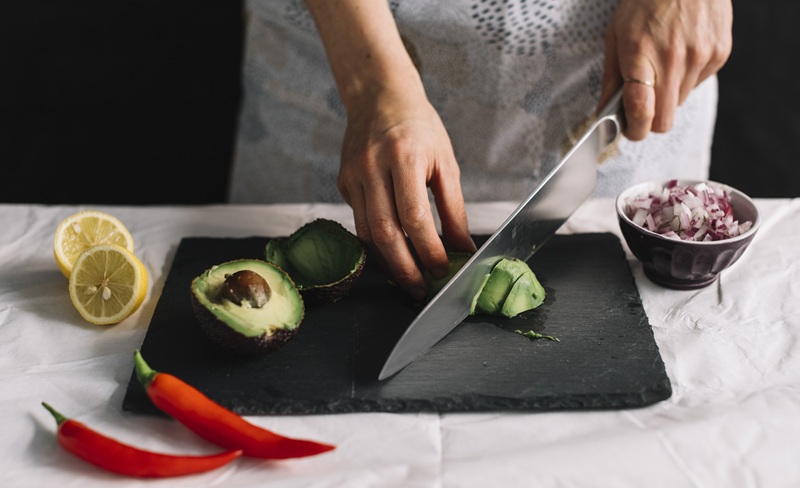
Whether you’re a home cook, a culinary student, or a professional chef, one truth remains the same: a sharp knife is essential. A dull blade doesn’t just slow you down; it increases the risk of slips, inconsistent cuts, and unnecessary frustration in the kitchen. That’s where professional knife sharpeners come in. With the right sharpener, you can restore your knives to peak performance and extend their lifespan dramatically.
However, with numerous styles, materials, and mechanisms available, how do you select the right one?
This guide breaks it all down, allowing you to make a confident and informed decision.
Why Invest in a Professional Knife Sharpener?
A professional-grade knife sharpener offers:
1. Precision
They are designed to sharpen blades at consistent, optimized angles—giving you a razor-sharp edge every time.
2. Durability
Professional sharpeners are built with high-quality materials meant to withstand repeated use, making them a long-term investment.
3. Versatility
Many can handle different blade types, including chef’s knives, paring knives, serrated edges, cleavers, and even specialty blades.
4. Safety
A stable base, proper angle guides, and high-quality construction reduce sharpening accidents.
Types of Professional Knife Sharpeners
1. Manual Pull-Through Sharpeners
These use pre-set angle slots and abrasive wheels. They’re ideal for:
- Beginners
- Home cooks
- Quick, convenient sharpening
Pros: Easy to use, compact
Cons: Less customizable sharpening results
2. Electric Sharpeners
Electric models offer speed and consistency, making them a favorite in busy kitchens.
Pros: Fast, effortless, consistent angles
Cons: More expensive, can remove more metal over time
3. Sharpening Stones (Whetstones)
The gold standard for precision. Available in different grit levels, stones require skill but produce unmatched results.
Pros: Ultra-precise, suitable for high-end knives
Cons: Requires practice, slower process
4. Honing Rods (Steel, Ceramic, or Diamond)
Not technically sharpeners, honing rods realign the blade’s edge between sharpenings. A must-have for any kitchen.
Pros: Low maintenance, extends time between sharpening sessions
Cons: Doesn’t actually sharpen—only straightens the edge
5. Professional Sharpening Systems
These include adjustable angle guides, multiple stones, and clamps for ultimate accuracy.
Pros: Consistent pro-level results
Cons: Higher learning curve and cost
How to Choose the Right Professional Knife Sharpener
1. Consider Your Skill Level
- Beginner: Start with a manual or electric sharpener.
- Intermediate: Try a combination of a stone + honing rod.
- Advanced: Use sharpening systems or high-quality whetstones.
2. Know Your Knives
Different blades require different approaches:
- Western-style knives: Compatible with most sharpeners
- Japanese-style knives: Prefer whetstones or angle-precise systems
- Serrated knives: Require specialized sharpeners or manual tools
- Thick cleavers: Often need stones for the best results
3. Match the Sharpener to Your Usage
Ask yourself:
- How often do you cook?
- How many knives do you maintain?
- Do you own high-end knives that require careful sharpening?
Frequent cooks benefit from electric or stone-based solutions. Occasional cooks may prefer manual sharpeners.
4. Look for Adjustable Angle Options
Different blades are designed for different angles. Adjustable settings ensure proper sharpening and protect the knife’s integrity.
5. Evaluate Build Quality
A good professional sharpener should have:
- A solid, non-slip base
- Durable abrasives (diamond, ceramic, or quality stone)
- Comfortable ergonomics
Common Mistakes to Avoid When Choosing a Sharpener
Choosing based on price alone
Ultra-cheap sharpeners can damage knives.
Ignoring angle requirements
Improper angles shorten the life of your blade.
Using the wrong tool for the blade type
For example, using a pull-through sharpener on delicate Japanese knives.
Skipping regular honing
Even the best sharpening tool can’t compensate for poor maintenance.
How Often Should You Sharpen Your Knives?
- Home cooks: Every 2–3 months
- Professional kitchens: Weekly or even daily
- Honing: After every 2–3 uses
Proper upkeep ensures performance, longevity, and safety.
Final Thoughts
Choosing the right professional knife sharpener depends on your skill level, the types of knives you own, and how often you use them. Whether you opt for the precision of whetstones, the convenience of electric sharpeners, or the reliability of manual tools, investing in a high-quality sharpener is one of the best things you can do for your kitchen.
A sharp knife isn’t just a tool; it’s the foundation of great cooking.