Fall is here, and soon, the last gasps of summer heat will give way to shorter, cooler days. Then we all know what happens next: Winter finally arrives and brings truly cold weather along with it. When this happens, most of us will opt to stay indoors, with our furnaces running to keep us warm. Before we can do that, however, it will be important to invest in several HVAC maintenance services, the most important of which are listed below.
It’s a good idea to perform this preventative maintenance before the outdoor conditions become too cold and your local HVAC professionals are spread too thin. Doing so will ensure the safe, efficient, and effective operation of your HVAC equipment, helping to minimize the risk of catastrophic breakdowns and extending the lifespan of your machinery.
Furnace Inspections
The “H” in “HVAC” refers to Heating, and this element of your climate control system is handled by a furnace, which generates heat using either electricity or a fuel source such as propane, oil, wood, or natural gas. Regardless of the type of heating you are using, it’s important to ensure that each component of your furnace is in good working order before the weather cools and the system begins to see heavy use.
Ideally, you should have an HVAC professional perform an inspection at least once a year, a task which can be performed in the off-season (spring or fall) in to save on costs. Your HVAC contractor will work their way down a checklist, ensuring each part of the system is clean, free of corrosion, and operating at full capacity.
Filter Replacement
During the winter, the cold outdoor air often forces homeowners to shut all their doors and windows and leave the HVAC system running continuously, a practice that can circulate just as much dust and dirt as heated air. Over time, the accumulation of impurities in the indoor atmosphere can cause a precipitous drop in air quality, which can cause or exacerbate many respiratory and other health problems, including allergies, asthma, and even heart disease and dementia.
Preventing this issue and keeping the air inside your home clean is a matter of having a strong filtration system in place, which is a standard element of most modern HVAC systems. At least once a year, however, the filters in the system should be replaced with new, clean ones. Homeowners can also opt for more advanced filtration technology, including HEPA filters, which can remove particles as small as 0.3 microns, including the viruses that cause illnesses like the flu and COVID-19.
Ductwork Evaluation
Another element of your HVAC system that may affect the indoor air quality is the ductwork. Most modern American homes still employ central heating and cooling systems to control their indoor temperatures, which means that after the furnace heats the air or the compressor cools it, a fan then circulates it throughout the building by way of a series of hidden ducts, where it enters each room of the home through vents built into the walls.
This method is effective, but if the ductwork develops damage or becomes saturated with dust and dirt, then the efficiency of the system will be compromised. Ultimately, your air quality will diminish, and your energy costs will begin to increase. Standard HVAC maintenance services should involve inspecting the ducts, repairing any damage if necessary, and cleaning any accumulated dust and debris to ensure unobstructed airflow.
Thermostat Testing
The thermostat is what allows you to control the temperature of your HVAC system. It also acts as the “brain” of the entire unit, in the sense that it tells the system how to behave, adjusting operations as necessary and maximizing its efficiency. Of course, this means that a faulty connection or other malfunction in this component of the system can cause system failure.
The location of the thermostat in the home matters too. For example, if the thermostat is in an area that proves to be a poor representation of the rest of the home, such as in a drafty hallway or in front of a sunny window, temperature readings may be inaccurate, making it difficult for the HVAC system to achieve the desired temperature.
As soon as fall arrives, and before the winter weather begins to necessitate heavy furnace usage, you should ask your HVAC maintenance services to check your thermostat. They’ll calibrate it properly for efficient and effective heating during the coldest days of the year and make recommendations about the location, if necessary.
Electrical Checks
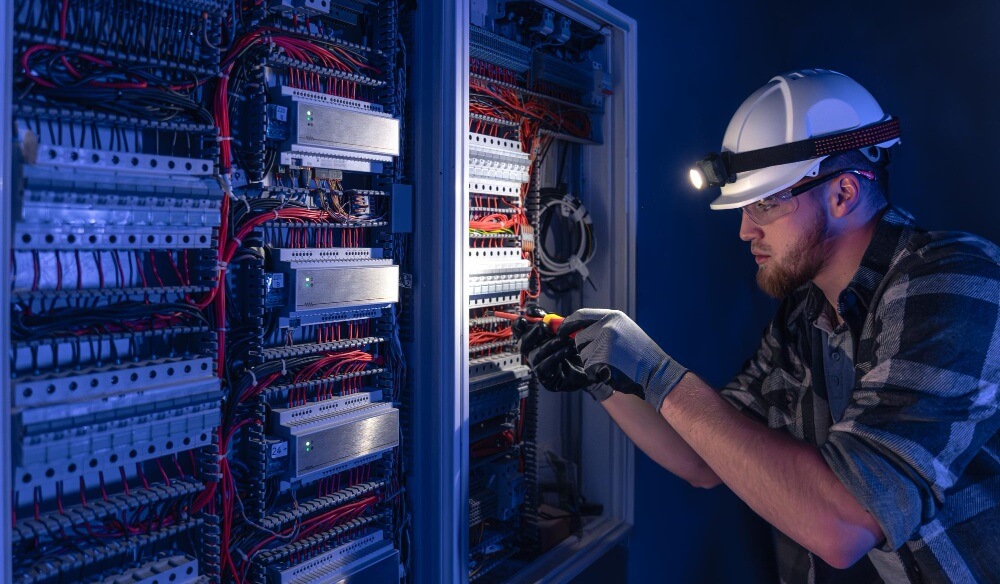
One service that is just as essential for HVAC safety as it is for the comfort and energy efficiency of your home heating system is inspecting the electrical connections. A poor connection could not only affect the thermostat’s ability to cycle the machinery on and off at the correct times, but it could also create a fire hazard and cause other potential risks to your home and its inhabitants. Signs of a bad electrical connection include a loud buzzing noise, particularly when the system is running, unusually high energy costs, or the simple failure of the system to switch on, even during cold weather.
Since the electrical connections in your home require specialized training to repair or replace, it’s essential that any maintenance on this element of your HVAC system be performed by a licensed contractor from a trusted company like All Weather Heating & Cooling. HVAC contractors receive electrician training as part of the preparation for their duties, which ensures they can fix faulty wiring and other electrical issues associated with your heating and cooling systems in the safest manner possible.
Safety Checks
Your HVAC professional will also perform other safety checks to ensure your furnace is not creating any unnecessary risks for the inhabitants of your home. For example, most furnaces burn fossil fuels, such as natural gas, to produce heat, which means that they also generate toxic byproducts whenever they are operational. A safe HVAC system must have a method for venting away these toxic byproducts, which include invisible and odorless (but extremely deadly) carbon monoxide gas. Your HVAC professional should also ensure your carbon monoxide detector and alarm system is functioning optimally to protect the safety of everyone in your home. The maintenance services mentioned above will help to protect the safety of your home and loved ones while also extending the lifespan of your equipment and reducing your energy costs. To have these or any other HVAC maintenance services performed in your home, contact a licensed professional in your area today.